










Food


Food
Food
食料
Averting the Protein Crisis with Microalgae-Enriched Feed
“If the world’s population continues to grow, a global protein crisis is inevitable.”
For nations burdened with food loss, this warning may sound like a distant echo from somewhere far away.
Yet the crisis will come — certainly, quietly — and in Japan, it will emerge first in the livestock sector.
Since 2016, meat has become the primary source of protein for Japanese adults, accounting for nearly a quarter of total intake. Meanwhile, Japan’s self-sufficiency in feed grains including corn, soy meal, and other essentials for raising livestock has remained at a fragile level of around 13%. A wide range of risks — including war and conflict, trade friction, supply chain disruptions, currency depreciation, rising demand in emerging markets, and competition for food resources — place significant strain on the livestock sector, leaving it highly vulnerable due to its dependence on imports.
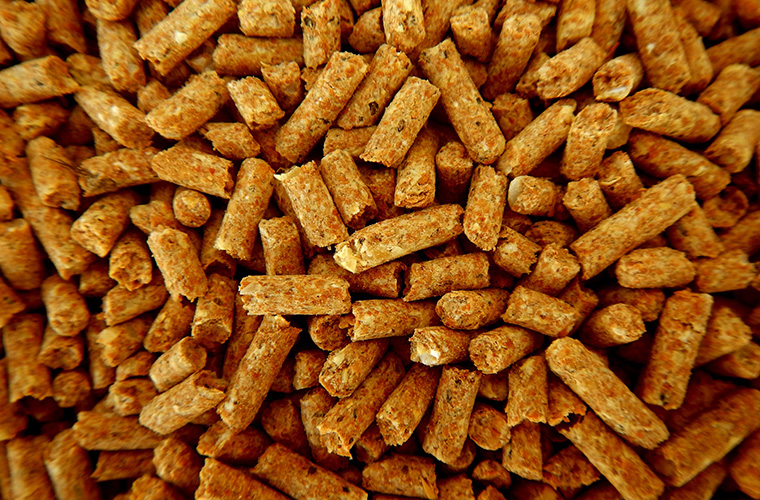
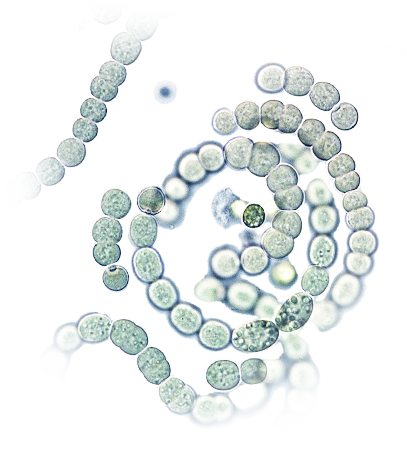
SOPHiART rises to meet this challenge to safeguard Japan’s food and health, and to strengthen long-term food security. By harnessing the superior nutrition and functional potential of microalgae, we enhance livestock feed. Our approach is not to increase quantity, but to elevate quality, nurturing healthier livestock and enabling a sustainable livestock industry that can withstand scarcity — thereby helping to avert the coming protein crisis.
Expected Benefits
By blending microalgae into feed, we unlock nature’s inherent intelligence, reducing the need for synthetic additives and pharmaceuticals. This lowers the incidence of disease and digestive disorders, supporting healthier growth in livestock.
SOPHiART reimagines “food” through the broader flow of the food chain — from the unseen microcosm to the human table — and, together with partners across industries, cultivates a future of nourishment that is safe, sustainable, and profoundly alive.